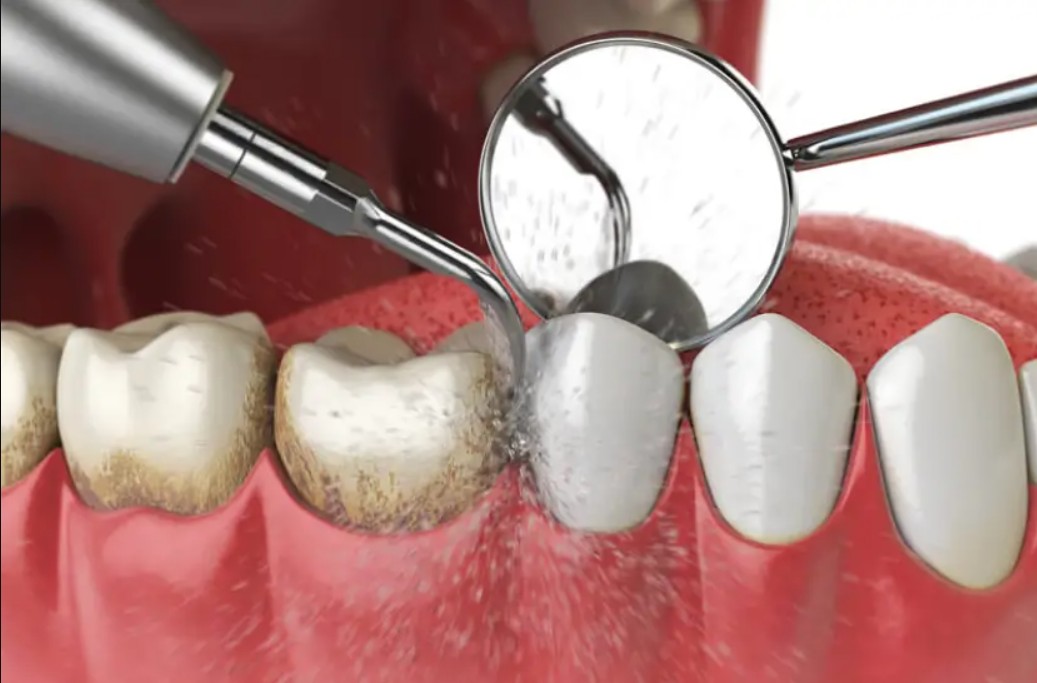
What is periodontology and what does it do?

Periodontology deals with gum health. Healthy gums and healthy bone are the foundation of a healthy tooth. Teeth are able to stand only on a good foundation. Modern methods of periodontal treatment are based on reconstruction and regeneration of the bone damaged by inflammation.

Periodontitis, also known as ‘periodontosis’, is the cause of many tooth tissue pathologies. The tooth can look healthy on the outside, but the foundation which keeps him in the jaw is inflamed. With already inflamed periodontium, it is possible to apply specific antibiotic methods of treatment, with the goal to prevent the bacteria present in the mouth and the gums. Afterward, scaling, polishing, and root planning are the next steps in order to avoid tooth extraction.

Symptoms of periodontrology diseases

Recognize in time the signs that your gums need professional care:

  1. Red, swollen or painful gums
  2. Bleeding gums when brushing teeth
  3. Receding gums, which makes teeth appear longer than they once were
  4. Teeth chattering
  5. Unpleasant breath or taste in the mouth

If you notice any of these symptoms, contact us immediately to begin adequate treatment.
Frequently Asked Questions

Periodontal surgery is typically avoided unless absolutely necessary; however, there are times when surgical intervention is the only treatment option that will allow you to best preserve and maintain your oral health.

While it is possible for children and adolescents to develop periodontal disease, it is very rare. All the same, it is important that children and adolescents practice good oral health care and keep their teeth and gums healthy to reduce their risk of developing periodontal disease in the future. Be certain that your children brush their teeth twice daily and practice proper flossing techniques. It is also important to ensure they have regular (biannual) dental checkups so their teeth can be professionally cleaned and their oral health can be monitored. By establishing these good habits early on, your child will have a much higher likelihood of avoiding issues like periodontal disease and enjoy a lifetime of good oral health.

As a parent, you should also be aware of the warning signs of periodontal disease, which include red, swollen, bleeding gums or bad breath that won’t go away. If your child develops any of these symptoms, tell your dental professional right away. It’s also a good idea to ensure your dental professional knows your complete family history, as genetics can play an important role in the early development of periodontal disease.

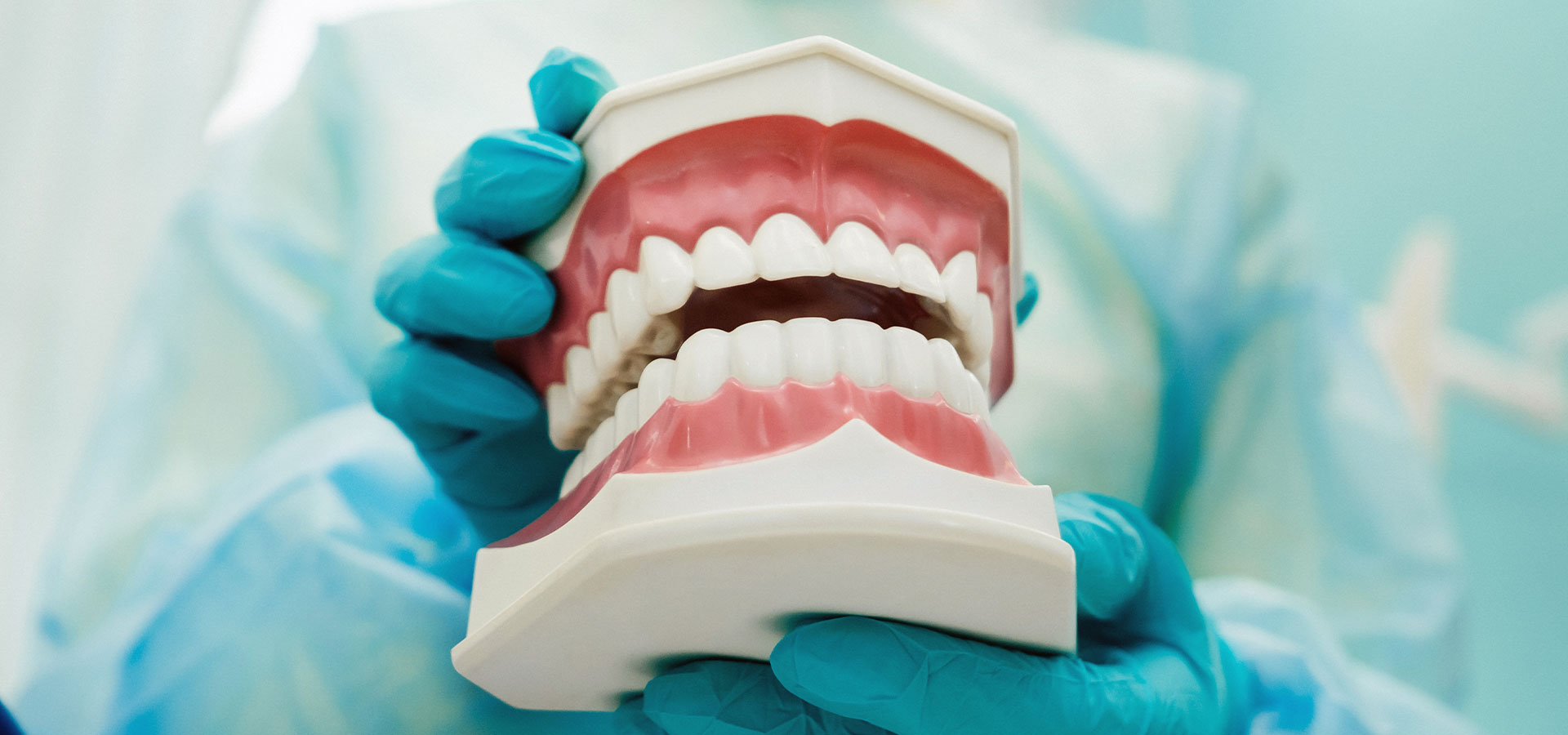
Your first periodontal examination will involve a thorough examination of your mouth, including the health of your gums, the alignment of your bite, and the status of your teeth. During this examination, your periodontist will also look for indications of jaw dysfunction, gum recession, loss of bone, and/or periodontal disease. If necessary, an X-Ray or other diagnostic test may be taken to determine a diagnosis.

Once a proper diagnosis has been made, your periodontist will discuss available treatment options and answer any questions you have. Once a treatment plan has been determined, the examination will be complete, after which a follow-up appointment will be scheduled if necessary.

Periodontal disease has not been proven to be contagious, however, periodontal disease is caused by bacteria, which can be transmitted through saliva. As such, it is best to avoid sharing spoons, forks, or other utensils that may carry bacteria from another person who has periodontal disease.

A periodontist is a specialist dentist who has completed 5 years at dental school, and after a period in general dental practice has undertaken a further 3 years postgraduate training in periodontology and implant dentistry.